In this blog post I will be explaining the lighting we will be able to use for our short film. Three Point Lighting. A traditional method for achieving a balanced and aesthetically pleasing look in cinema and photography is three points of illumination (three point lighting). The key light, fill light, and backlight are the three main light sources that are used. The shadows that the main light casts are softened by the fill light. It is positioned on the side opposite the primary light and works to equal out the lighting by lowering the contrast on the subject. The main topic or subjects are lit from behind by the backlight, which creates depth by separating the main subject from the background. It makes the edges of the subject stand out in a spotlight, giving them depth and dimension. You can manage the atmosphere, highlight certain elements, and produce an appealing environment by utilizing three-point lighting. Chiaroscuro Using the chiaroscuro lighting technique,...
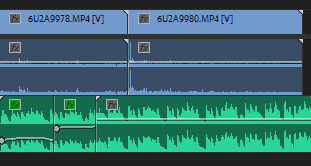
D2-Sound In this article, I'll go over how we used sound to enhance our footage and establish the mood of the movie. First, we used two classic songs from the 1980s and 1990s: Michael Jackson's "Thriller" and the Romantics' "Talking in Your Sleep" in our movie. The absurd soundtrack from the 1980s gives the movie a genuine horror movie vibe. The theme music for thriller was picked because it has a Halloween vibe to it, but is also mostly lighthearted enough to go with the film's unserious/comedic elements. We felt a need for additional noise in the background of the film therefore we found a royalty free ambience horror sound on YouTube and added it to the film. We then lowered the volume of the ambience so it wasn't overpowering. Adding this s...


Comments
Post a Comment